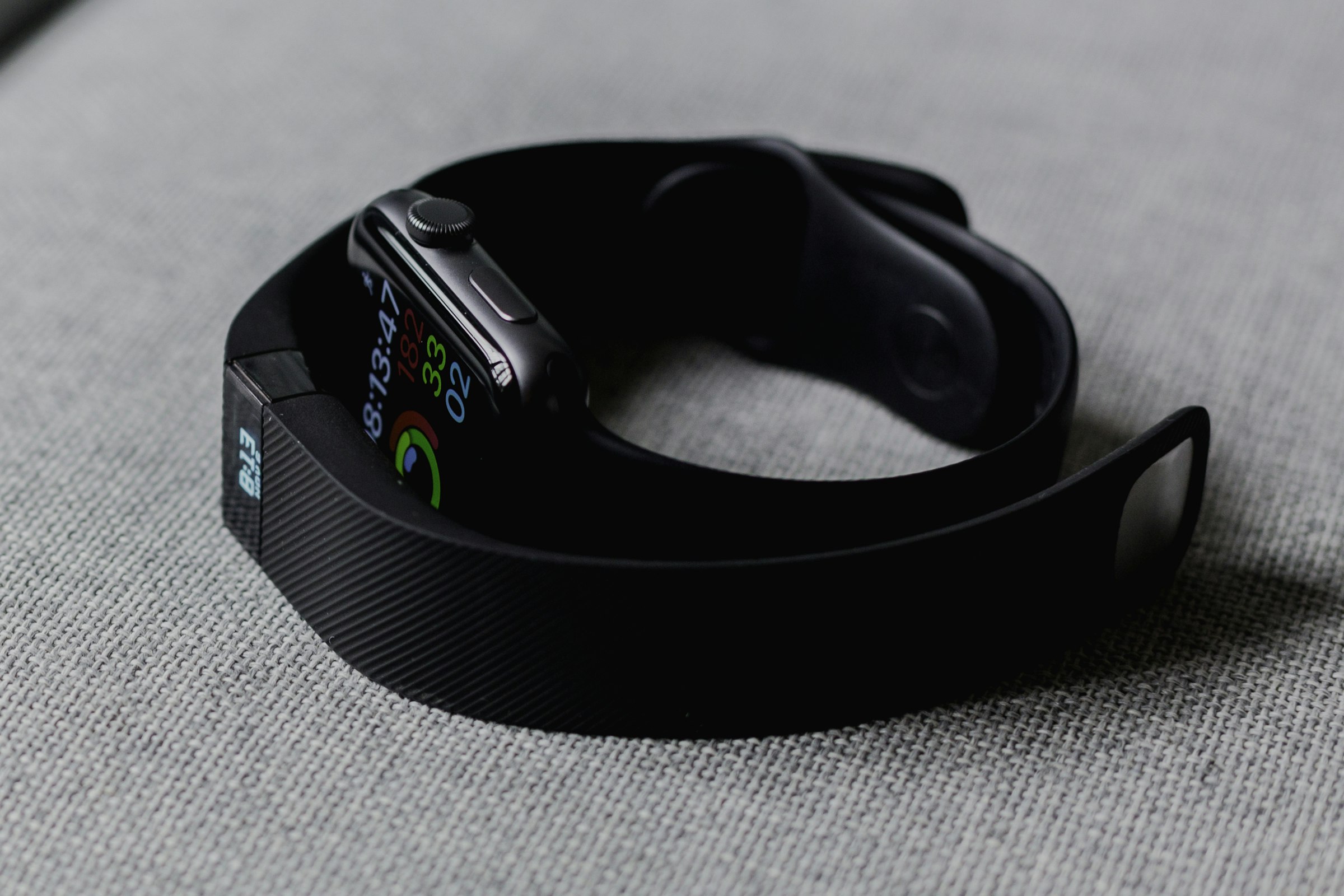
Active Measurement vs. Passive Tracking: Which Wins?
In the world of predictive wellness, two giants stand out, but for very different reasons. Oura Ring is the king of "set it and forget it" passive tracking, while Welltory champions the "active measurement" approach using your smartphone's camera or Apple Watch. But which one actually gives you better insights?
The Core Philosophy: Hardware vs. Software
The fundamental difference lies in how they collect data:
- Oura Ring: A dedicated hardware device. It tracks you 24/7, measuring heart rate, HRV, temperature, and movement automatically. It shines in sleep tracking because you don't have to do anything.
- Welltory: A software-first platform. It relies on "spot checks"—you actively take a measurement (usually in the morning) using your phone's camera flash (PPG) or a compatible device. It focuses heavily on Heart Rate Variability (HRV) analysis to determine your nervous system balance.
Head-to-Head: Feature Comparison
1. Accuracy & Data Quality
Oura Ring wins on consistency. Because it's always on your finger, it captures trends over long periods, especially during sleep when you are most still. Its sleep staging algorithms are widely considered the gold standard for consumer wearables.
Welltory is surprisingly accurate for HRV spot checks. Its algorithms for analyzing the autonomic nervous system are clinical-grade. However, because it relies on you remembering to measure, it can miss the full picture of your day if you aren't diligent.
2. User Experience
If you hate wearing watches to bed, Oura is unbeatable. It's discreet, lightweight, and has a battery life that lasts days. The app is clean and focuses on three main scores: Readiness, Sleep, and Activity.
Welltory can be overwhelming. It provides a massive amount of data—histograms, spectral analysis, and energy levels. For biohackers, this is paradise. For the average user, it can be information overload. Plus, the need to sit still for 2 minutes every morning to measure can be a friction point.
3. Actionable Insights
Welltory excels here. It doesn't just give you a score; it tells you exactly what to do. "Your parasympathetic nervous system is overactive—do a light workout, not HIIT." It contextualizes data better than almost any other app.
Oura is catching up with features like "Resilience," but its advice is often more general ("Take it easy today").
Pros and Cons
Oura Ring
- ✅ Seamless 24/7 tracking
- ✅ Best-in-class sleep data
- ✅ Unobtrusive form factor
- ❌ Expensive hardware + subscription
- ❌ No real-time workout tracking display
Welltory
- ✅ No hardware required (uses phone)
- ✅ Deep clinical-grade HRV analysis
- ✅ Integrates with 1,000+ apps
- ❌ Requires active manual measuring
- ❌ App can be cluttered/complex
The Verdict: Which Should You Choose?
Choose Oura Ring if you want a holistic view of your health with zero effort. It is the best tool for understanding your sleep and recovery baseline over time.
Choose Welltory if you are a data geek who wants to understand the precise state of your nervous system right now. It's a powerful tool for deciding whether to push hard or rest in the moment.
The Lifetrails Approach: Why Not Both?
At Lifetrails, we believe you shouldn't have to choose between active and passive data. The future of predictive wellness is hybrid.
Lifetrails is designed to ingest data from Apple Health and Google Fit, meaning we can take the 24/7 baseline data from your Oura Ring and combine it with the deep, specific spot-checks from Welltory. By analyzing both, our AI can offer a level of predictive precision that neither tool can achieve alone.
Get the Best of Both Worlds
Lifetrails integrates data from your favorite wearables to build a complete predictive model of your health. Don't settle for just one data point.
Join the Lifetrails Waiting List